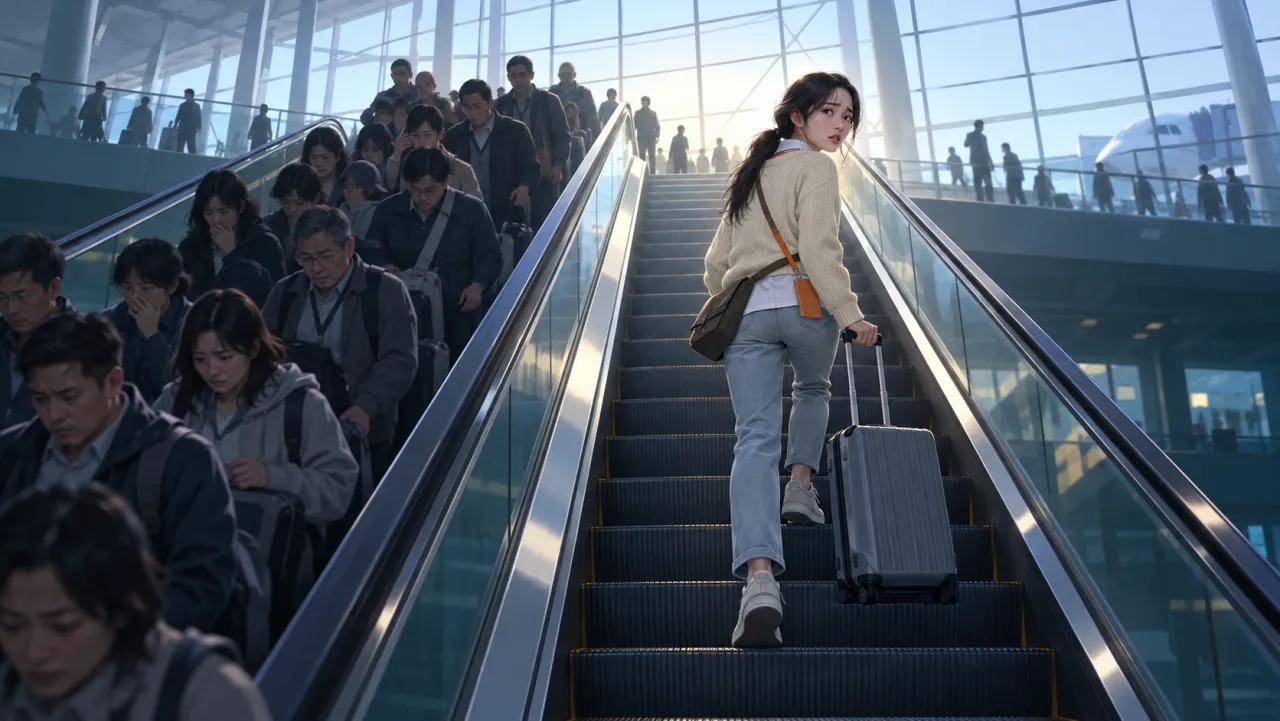
Airport Survival Game: When Everyone Goes Underground, Can You Go Up?
▶ PLAY FREE NOWNo download · Phone or PC · 3–5 minutes per run · 10 languagesIncheon Airport Chemical Attack: 10 Minutes Until the Gas Arrives is a free, choice-driven chemical attack survival game you play right in your browser. It's 7:40 on a weekday morning. You're standing in the check-in line at Incheon Airport, about to board a group flight to Shizuoka (fictional flight number). Every phone in the hall goes off at once: [Fictional] chemical alert. Contamination has been reported at one end of the terminal's lower level, and in about ten minutes the contaminated air will reach the departures floor (a game assumption). Someone shouts, “Get underground! To the train station!” and a wave of rolling suitcases surges toward the down escalators. This time, they're going the wrong way.
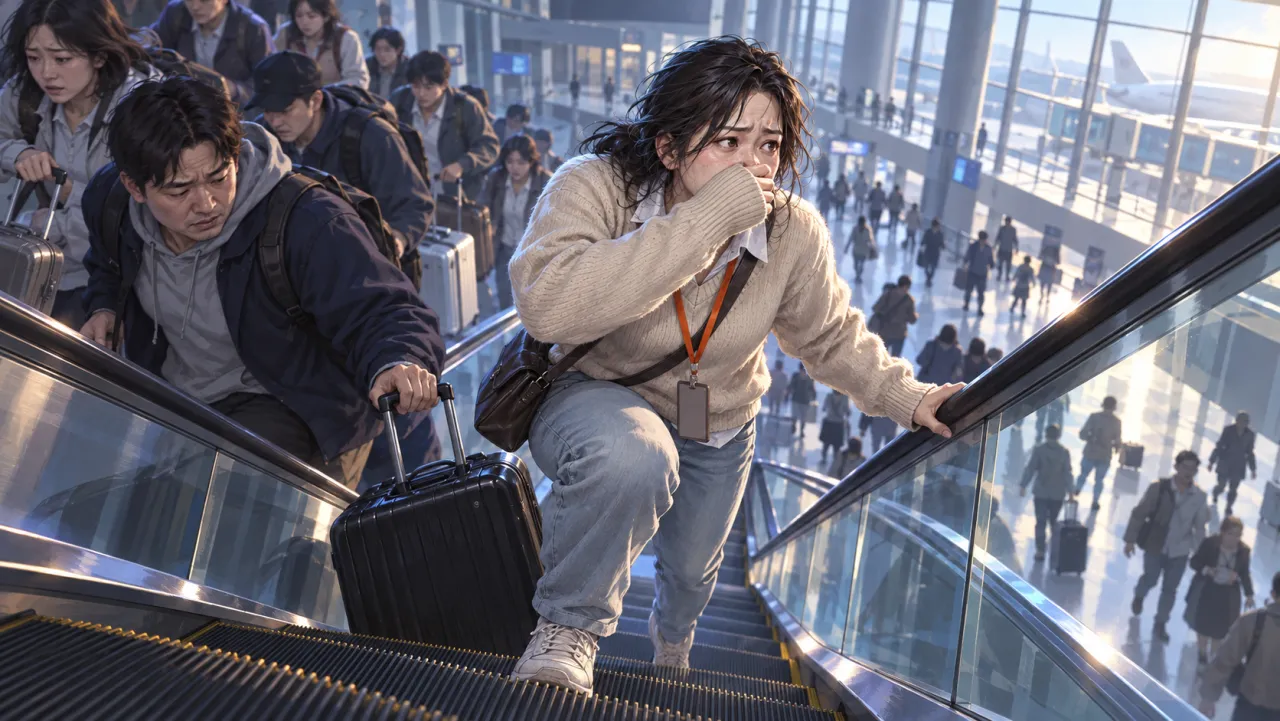

Nuclear: go down. Chemical: go up.
In a nuclear attack, the right move is to get deep underground, away from fallout. A chemical emergency flips that. Most chemical vapors are heavier than air and pool in low places like basements, so official guidance says to get indoors, as high up as you can, somewhere sealed from outside air. The whole game is built around that trap. The “get underground” instinct you learned in the first Survival series episode, Nuclear Blast: 20 Minutes to Fallout, is exactly what gets people killed here.
How a run plays out
Time keeps moving. Cards marked ⏱ must be answered while the clock runs; cards marked ⏸ pause time so you can think. Every correct answer comes from official chemical emergency guidance (Seoul Metropolitan Government, Dobong-gu and Guri City civil defense guides, the US CDC and Ready.gov); every wrong answer is a mistake real people tend to make.
- The alert (departures hall): the first card gives you 6 seconds. Cover your nose and mouth and head upstairs, follow the crowd down to the train station, or stay in the check-in line? Hesitate and the crowd carries you down.
- Up and away: wait at the elevator behind thirty suitcases or take the stairs, follow staff through the crowd at security, and decide how far to go: a corner of departures, the far end of the duty-free area, a back room in an upper-floor lounge, or the open-air parking garage roof. You also have seconds to grab supplies: wet towel, tape, plastic bags, water, radio.
- Arrival: the runway outside the glass is quiet. There's no visible cloud. Coughing drifts up from below.
- The 30-minute sealing window: pick a room with a door, ask staff to shut off the ventilation, stuff wet towels and tape into the gaps, cover the vents with plastic. Every task costs time.
- Six hours inside: someone pounding on the door, rumors in the group chat, tape peeling off in a blackout, a panicking student, a person collapsing, someone insisting “we'll miss our flight.” Events change every run.
- All clear and the exit: when the shelter order lifts, head to a decontamination point. There are four exits plus the underground rail tunnel, and the wind decides which one is safe.
At the end you see your exposure score and symptoms, plus every guideline you followed and every mistake, each with the reason and source. The exposure score is a game simplification, not a real toxicity measurement.
Coworkers, trust and hidden missions
It's Team 3's reward trip, and your coworkers are scattered across the airport. Each one has a trust level, shown as hearts on the results screen.
- Team Leader Park is sitting in his car in the underground parking garage, insisting “the car is the safest place.” Can you talk him upstairs?
- New hire Jiwoo is coming up from the underground train platform with headphones on and never heard the alert.
- Manager Do is coughing her way up from the pharmacy on the lower level. Help her, and she may repay you with the first-aid pouch she always carries.
- Intern Seojun brings you official updates if he trusts you, and short-video rumors if he doesn't.
Each run secretly assigns 3 hidden missions out of 12, revealed at the end: pull Jiwoo out of the station, get the grandmother in the wheelchair upstairs, rescue and wash a lost dog in a carrier, leave no one outside the door, finish with an exposure score under 10, and more.
Story mode, random mode and perks
Story mode is the weekday-morning scenario above. In random mode, the warning time, the reported contamination point (east or west end of the terminal) and the wind change every run, so the safest route changes too. Each run also gives you one random perk, and each perk unlocks its own choices.
- 🩺 Company clinic nurseStarts with a first-aid kit · Rinses eyes and treats collapsed people the right way
- 🔧 Facilities technicianCuts through the staff stairs · Gets the ventilation shut off fast and handles stuck elevators and emergency lights
- 🦺 Safety Team Assistant ManagerKnows the chemical-alert drill by heart · Team Lead Park actually listens to you
- 📦 General affairs asst. managerBrought the team passports, tape, plastic bags and a radio · Carries one extra item
- ☕ In-house café baristaStarts with extra water and snacks · Calms hyperventilation with warm water
- 🔦 Security guardAlways carries a flashlight · On the radio with airport security and runs decontamination at the door
- 💻 IT developerPhone battery lasts to the end · Group-chat notices and a hotspot get everyone’s texts out
- 📢 PR team stafferPosts “Don’t go underground” signs · Hands out official notices when rumors spread
- 🛋️ Seo-jun's jobless college senior, tagging alongDoesn’t know the airport, so slower on stairs · 3 years at a convenience store — always has plastic bags · Nothing to lose, so rumors don’t sway you
- 🚴 Delivery rider leaving on a working holidayRunning stairs is daily life · Rain poncho in the backpack and a feel for walking crosswind
- 🧹 The building custodianHas plastic bags, rubber gloves and wet wipes · Takes contaminated clothes and ties them up in plastic
24 endings
Depending on what you do, you get one of 12 survivor types or 12 casualty types.
Survivor types
 The civil-defense instructorNukes: down. Chemicals: up. Knew to go the opposite way.
 The straight-upstairs typeWent up alone while everyone went down.
 The colleague rescuerDidn't let go of her hand on the underground station stairs.
 The decon chiefGuarded the lounge with double plastic bags.
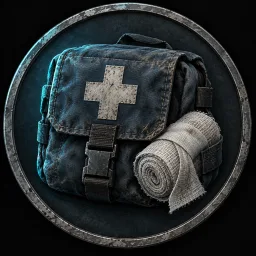 Chief of the lounge ERMoved the collapsed man inside and read his symptoms out to 119.
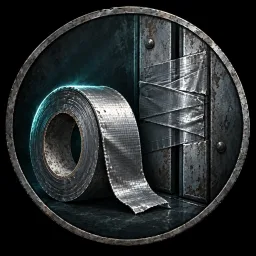 The door-gap masterSealed out the outside with one roll of tape.
 The lounge radio DJRead the official broadcast out loud every time a rumor spread.
 The wind readerRead the windsock and walked across the wind.
 The elevator survivorTrapped between floors. Still got off on an upper floor.
 The cool-headed survivorHeld out six hours without a major wrong choice.
 The one flying out again tomorrowEven kept the passports. Shizuoka is tomorrow.
 The lucky-break survivorFull of mistakes, but survived. Will luck hold next time?
Casualty types
 The underground-instinct typeWent to the Airport Railroad station, as learned for nukes. This time it was the opposite.
 In a car in the garage basementRolled up the windows. The gas filled the lowest places first.
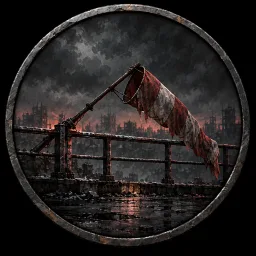 The rooftop spectatorIt was high, all right. Just smack in the middle of the outside air.
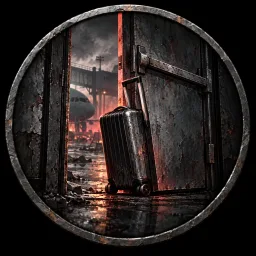 The one who left the door open"Just a little air…"
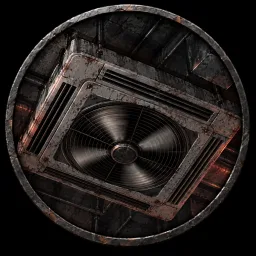 The lounge with the HVAC onClosed the door. Air kept blowing from the ceiling.
 The one who couldn't get their clothes offSix hours with it still on them.
 Lured by a False Rumor"They say the Airport Railroad is running again." There were no trains.
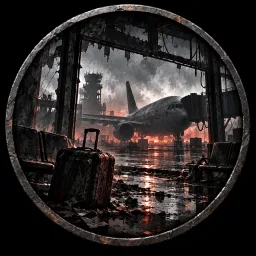 Worried about the flightLeft three and a half hours before the all-clear.
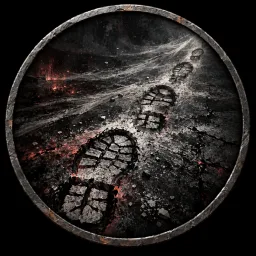 The one who walked downwindThe nearest exit was on the downwind side.
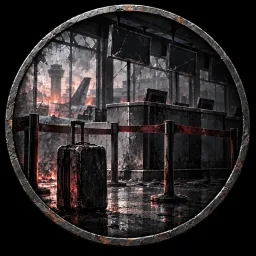 The one who couldn't leave the check-in lineThe flight was at 9:30 AM.
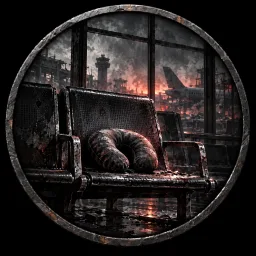 The one who hoped it was a dreamClosed their eyes again on a waiting-area chair. It wasn't a dream.
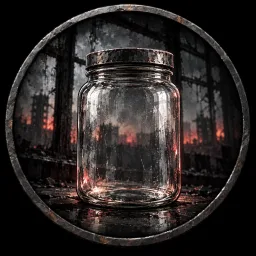 The invisibleNo smell, no color.
10 tips to survive the game (and real life)
- Check which alert it is. Air-raid alert: go underground. Chemical alert: go up. They're opposites.
- Cover your nose and mouth first. No gas mask? Use a face mask, a wet towel or a handkerchief.
- Don't go down to underground stations or parking garages. That's where gas collects first.
- Stairs, not the elevator. Elevators jam in a crowd and you can get stuck inside.
- Go high and away from the contamination. But not to an open roof, which puts you right in the outside air.
- Get into a room with a door, shut off the ventilation, seal the gaps. Wet towels, tape and plastic are the most useful things you can carry.
- Contaminated clothes go into two plastic bags. Cut them off instead of pulling them over your head, then wash with soap and running water for at least 15 minutes without scrubbing.
- Rinse eyes with clean water for 10–15 minutes. No eye drops, no rubbing.
- Trust official broadcasts only. Following a rumor like “the trains are running again” walks you straight into the lowest, worst place.
- Stay until the all-clear, then move crosswind or upwind. Skip the closest exit if the wind is blowing toward it.
For the real-world steps with sources, read what to do in a chemical attack.
Send your friends a rescue request
When the run ends, enter your name and share your result. Your friend gets an illustrated card link that says “Alex died in the Incheon Airport chemical attack. Will you rescue them?” They can see exactly what you did and which mistake killed you, then try it themselves.
A fictional scenario based on official guidance. No chemical agent names, attack methods, perpetrators or real people appear in the game, and it does not reproduce Incheon International Airport's logos, real terminal layout or security procedures.
FAQ
Is the chemical attack survival game free?
Yes. It's a completely free browser game with no payments and no download. It works on phones, tablets and PCs.
How long does one run take?
Usually 3–5 minutes. The ten minutes before the contaminated air arrives play out close to real time; the six hours sheltering inside go by quickly.
Why go upstairs instead of underground?
Most chemical vapors are heavier than air and settle in low places such as basements (US CDC). That's why Seoul's chemical alert guidance says that if you're inside a building, move to a higher floor where outside air is blocked. It's the opposite of a nuclear attack, where you go underground to escape fallout.
Is the game realistic?
Exposure numbers and timing are simplified for the game, but every correct answer comes from published official guidance, including Seoul Metropolitan Government, Dobong-gu and Guri City chemical alert guides, the CDC's “Shelter in Place” page and Ready.gov's “Chemical Emergencies.”
Is it based on a real attack?
No. It's a fictional scenario built on official guidance. No chemical agents or attack methods are named, and it isn't the airport's real emergency procedure or official government advice.
What is the Survival series?
A series of disaster survival simulations that turn real official safety guidance into choices. Episode 1 is the Seoul nuclear blast game, Nuclear Blast: 20 Minutes to Fallout; this is episode 2, with the same Team 3 characters.
Which languages are available?
Korean, English, Japanese, Chinese (Traditional and Simplified), Vietnamese, French, Thai, Spanish and German. It switches automatically to your browser language.
Can I play on my phone?
Yes. It's designed for a vertical phone screen, with sound and vibration. Headphones recommended.
▶ PLAY: INCHEON AIRPORT CHEMICAL ATTACK, 10 MINUTES UNTIL THE GAS ARRIVES